What is important? A question whose answer differs between individuals, families, religions, and cultures. Some people say their families are most important along with the people they love. Certain religions acknowledge only religious practices as important and ban things such as music or television. What matters to you and what is most important to you depends on who you are in depth and in a broad perspective.
What things have importance varies greatly in different countries as well. In some places such as Italy, food is a great part of their culture and plays a big role in their society. This makes it important to the people that live there. In America, we value our democratic government versus places with dictatorships such as Ethiopia, Myanmar, and Sudan (http://www.dkosopedia.com/wiki/Dictators_and_Non-Democratic_Governments).
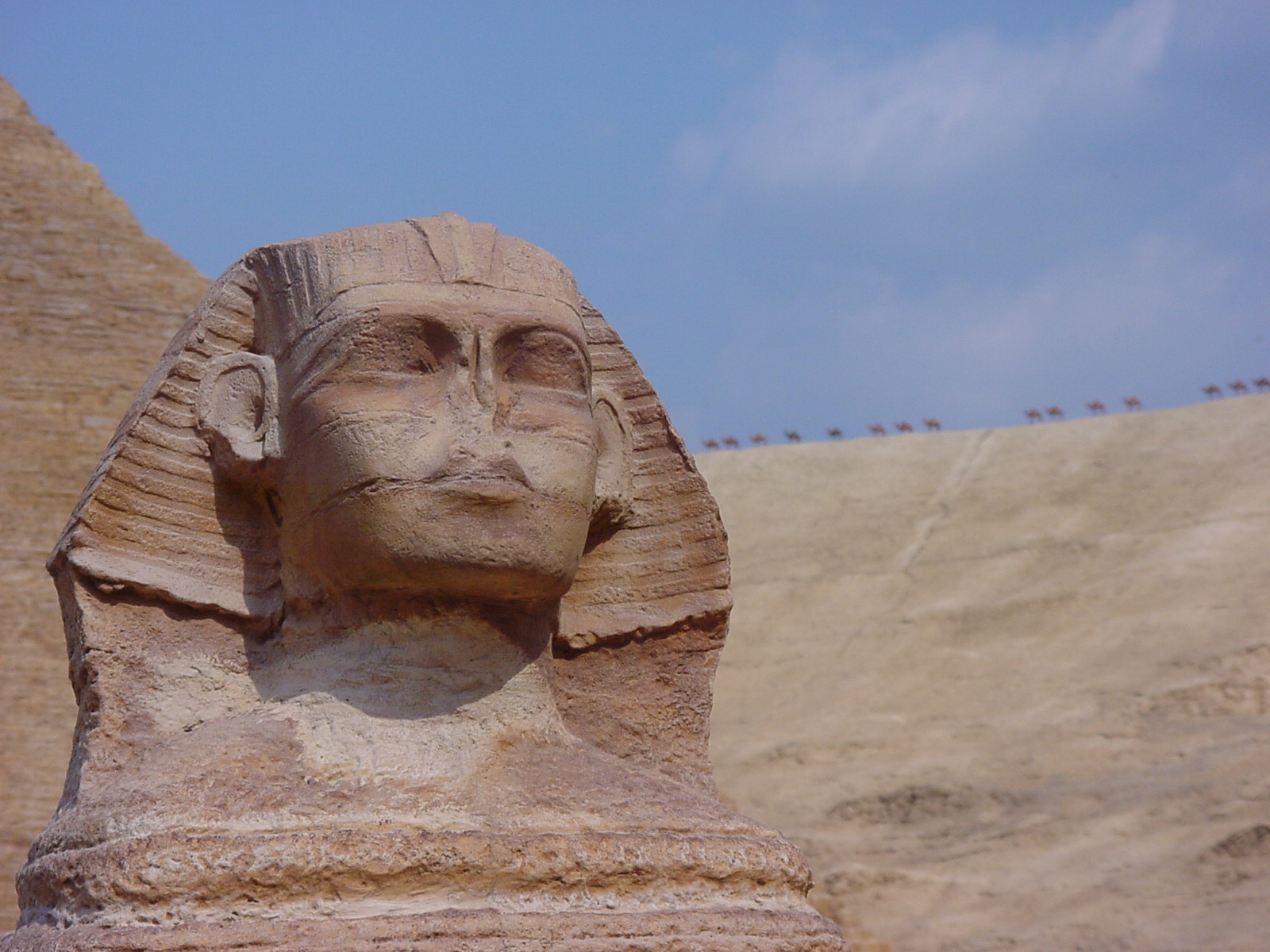
My topic is Ancient Egypt and the pyramids, but I will also talk about the United States, people, and aspects of their culture to identify what is important. The Egyptians believed death and the after-life was of extremely high importance. They thought that the after-life was a place they went when they died that was free of pain and cruelty and filled with happiness. They believed they would live a longer life here in peace. Death and furthermore, the after-life was of the utmost importance (http://wiki.answers.com/Q/Why_did_Egyptians_think_the_after-life_was_so_important). Their life on earth was not as important as the after-life and that importance was and still today is recognized by the massive monumental pyramids symbolizing the greatness of the pharaohs or other high-ranking people in ancient Egypt. These pyramids are the burial sites for the leaders and the gateway to the after-life so it is not surprising that they are so huge and majestic since death had such a high importance and was so valued in ancient Egypt (http://www.bbc.co.uk/history/ancient/egyptians/egypt_importance_01.shtml).
Although death was the single most important thing to the ancient Egyptians, the ancient Egyptians valued other things as well. They regarded art as an important subject in many different forms. There is the form of paintings, statues, and monuments such as the pyramids. There is also the art form of their alphabet. They wrote using hieroglyphs. These glyphs were a grammatical alphabet in which each glyph described the picture, what it meant, and also how to pronounce it. This was a very important thing easily identified by the painstaking detail in glyphs found inside the pyramids in Egypt (http://www.bbc.co.uk/history/ancient/egyptians/egypt_importance_01.shtml).
There are some similar acknowledgments of what is important shared by people of the same religion, culture, and ethnicity. Again, though, the answer varies depending on the region, family, and the individual’s morals. It is not a question that can be correctly answered with a single statement for a large group of people and that is why I think it depends on all of the aspects of culture and what yours is. I think that the most important things in life are the people you love, the people that love you, and what someone can say about you as a person, friend, brother, sister, or whatever you are to them. I think what you can accomplish in life is also important and should not be given a mere glance especially if you have some great achievements.
I believe war, good or bad, is also an important thing in the present and in history. War is a very useful technology that can allow for the ending to horrible crimes committed by countries and people. It is a technology in a way that we can use it to bring about a result we want to happen. If we want to conquer another country we can go to war with them to claim the territory.
All humans share the same set of important things needed to survive. Food, water, oxygen, and shelter. These things are not just important, but vital to our survival. Just as humans share these needs, many families share a similar set of beliefs. These beliefs justify what is important to them. For certain people wealth is important, for some it is a successful career. Others think material objects are necessary. Whatever they might believe is important it is most likely inherited through them to their children similar to how their traits are inherited. It is the same case with religions and people in certain countries and regions of the world.
Importance differs in so many ways and for so many people. The four key things to look at are our culture, religion, family values, and an individual’s morals. All of these things play a very important role in shaping what people will value and regard as important. They sculpt a person’s beliefs.
Religion, one of the key ingredients to a person’s values, is something in general that can be important or not. Some people regard religion as a stupid practice that just wastes your time and money. Thus, to them it is unimportant. To other, though, it is a very important aspect of their life and culture. And, because there are so many religions, some see different things as important.
I believe that family values are another key participant to shaping values and beliefs. Most kids end up thinking of the same morality as their parents. If your parents teach you that school is very important or that going to college is very important that is what you will most likely deem as important. The same as your parents teach you good manners and things like riding a bike or tying your shoes they teach and pass on to you their view on life and what should be respected and regarded as something of high-value.
I also think that culture is a major contributor to your views on what is important. If your culture thinks badly of things such as money and material things you will not think they are important to you in your life at all. You will think they are unessential. Your culture, if you believe in it and practice it, sets down some guidelines for how to live your life just as religion does.
Religion, culture, your family background, and your personal morals all come together to create what you deem important. In the end though I think it all comes down to values and what kind of life you live.
Works Cited:
1. "Dictators and Non-Democratic Governments - dKosopedia." Main Page - dKosopedia. Web. 05 Feb. 2010. http://www.dkosopedia.com/wiki/Dictators_and_Non-Democratic_Governments
2. "WikiAnswers - Why did Egyptians think the after-life was so important." WikiAnswers - The Q&A wiki. Web. 05 Feb. 2010. http://wiki.answers.com/Q/Why_did_Egyptians_think_the_after-life_was_so_important
3. "BBC - History - Ancient History in depth: Ancient Egypt and the Modern World." BBC - Homepage. Web. 05 Feb. 2010. http://www.bbc.co.uk/history/ancient/egyptians/egypt_importance_01.shtml

No comments:
Post a Comment